




Earlier this year, we shared a simple idea: visibility changes everything. When students can see their development, educators can better support growth, and institutions gain deeper insight into the impact of education. Yet visibility was never the destination. It was always a means to something bigger.
That conversation led us to a pressing question for higher education:
If world readiness is the goal, how do we help students demonstrate that readiness?
It’s a question that sits at the heart of the Boyer 2030 Commission’s vision for undergraduate education. The Commission challenged universities to look beyond traditional workplace preparation and pursue an “Equity/Excellence Imperative” that equips students for life, work and citizenship in a rapidly changing world. The world readiness conversation continues to explore a simple challenge: how do students recognise their development, communicate their capabilities and demonstrate their readiness for life, work and citizenship?
Creating the conditions for world readiness
Increasingly, student success is about creating the conditions for learners to thrive. This raises a broader institutional question: how can universities better understand, connect and communicate the impact of the educational experiences they provide?
Universities have invested heavily in undergraduate research, experiential learning, community engagement and work-integrated learning. The question is no longer whether these experiences matter. It is how students recognise their development, connect learning across contexts and communicate the value of those experiences to others.
If world readiness is the goal, it must also be demonstrable. Students need opportunities to capture evidence, reflect on their development and connect learning across multiple contexts. Likewise, institutions need richer evidence of student growth, development and capability.
From aspiration to institutional change
Perhaps the most striking observation from the summit was the degree of alignment around the future direction of undergraduate education. Conversations around student success, belonging, world readiness, experiential learning and equitable outcomes revealed remarkably little disagreement about institutional priorities.
The challenge lies in translating those ambitions into consistent practice across departments, disciplines and student support functions. Leaders spoke about the difficulty of scaling successful innovations beyond isolated programmes, embedding new approaches across the institution and demonstrating meaningful impact over time.
Meaningful opportunities may exist within individual programmes, departments and student services, but making them accessible, connected and visible for every learner requires cultural change, institutional alignment and sustainable implementation. As institutions continue to focus on world readiness, many are looking beyond measures of participation and completion towards richer evidence of student growth, development and capability.
From visibility to readiness
World readiness cannot be created through isolated experiences alone. It depends on students being able to connect learning across academic, experiential and co-curricular contexts, recognise how they are developing and communicate their capabilities with confidence.
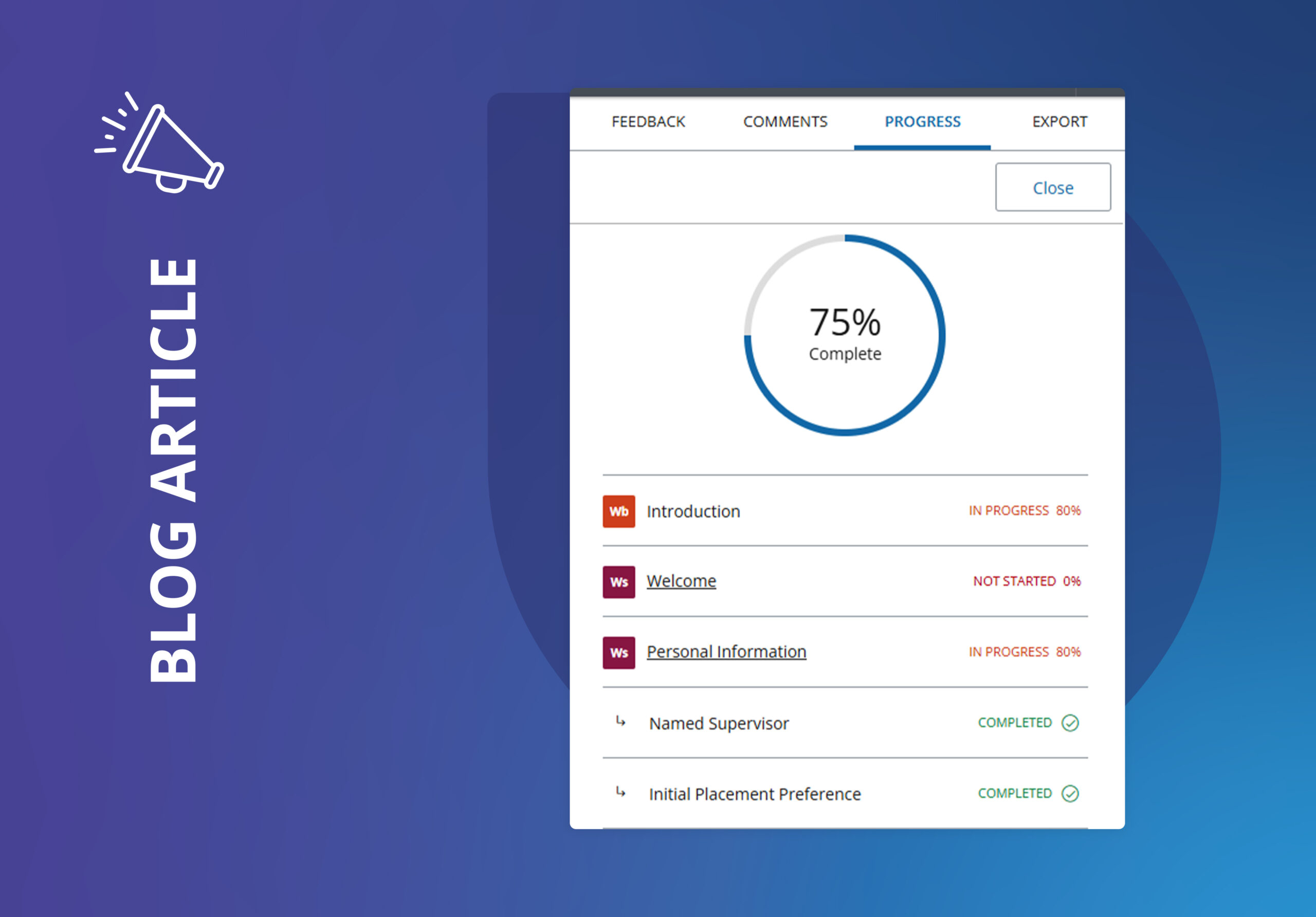
Students cannot demonstrate what they cannot see, and institutions cannot articulate impact where development remains hidden. Visibility is not the outcome. It is the enabler. When development becomes visible, readiness becomes easier to recognise, support and demonstrate.
This is why visibility changes everything.
Continue the conversation
Many of the themes explored in this article build on the ideas introduced in Visibility changes everything, which examines how institutions are helping students capture evidence, connect experiences and make development visible across the learner journey.