



Verifying that learners are genuinely ready for assessment takes more time than it should. Educators end up doung manual checks, chasing incomplete work, and making judgement calls without the right information in front of them.
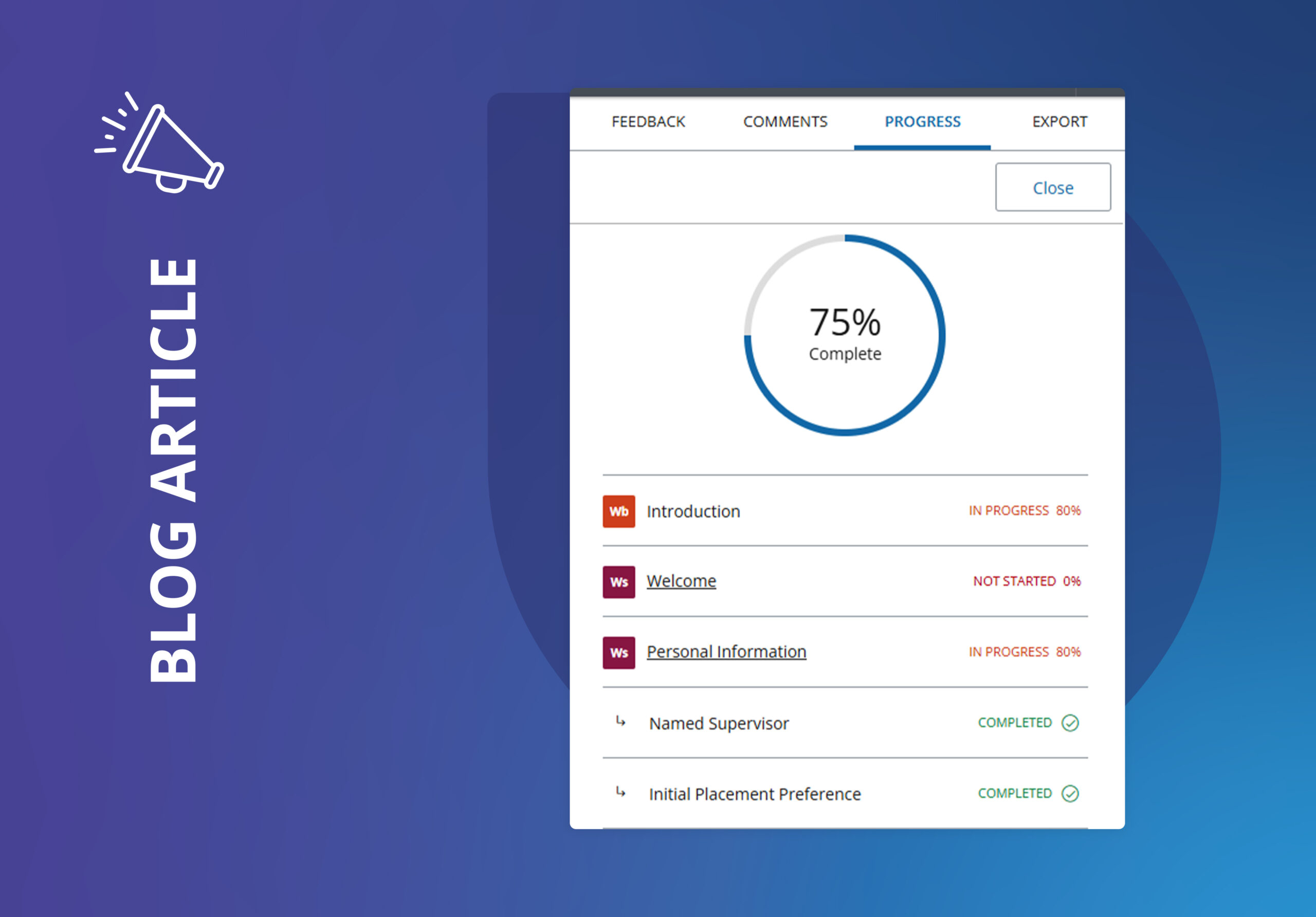
PebblePad’s new Configurable Progress Tracking and Insight Dashboards remove that uncertaincy. By combining criteria-based progress tracking with clear cohort-level visibility, programmes can move from tracking activity to understanding readiness, with signals that are structured, explainable, and ready to act on.
The challenge: progress is visible, but not always trustworthy
Assessment is becoming more continuous, evidence-based, and distributed across multiple activities. That brings richer insight but also a growing operational challenge.
Educators are often left asking:
- Is this complete?
- Is this valid?
- Is it ready for review?
Answering those questions today often requires:
- opening individual artefacts
- manually checking fields and evidence
- cross-referencing spreadsheets or reports
When progress isn’t trustworthy, verification becomes manual and risk becomes harder to manage.
Why we built this
We set out to solve a core problem:
This meant designing for three outcomes:
- Reduce time spent verifying readiness
- Increase confidence in completion and evidence validity
- Help educators identify risk earlier and act faster
And doing so in a way that is:
- Explainable: show why something is complete or not
- Assistive: support decisions, not replace them
- Low-friction: reduce effort, not add more process
What’s new
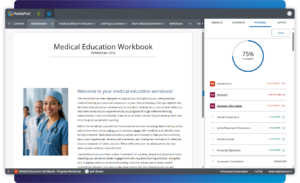
With this release, you can now:
-
- Define what “complete” means at a granular level, not just whether something was submitted
- Ensure evidence meets defined criteria before it counts toward readiness
- Automatically track progress based on real learner activity
- Identify at-risk learners quickly through cohort-level insights
- See readiness for assessment at a glance, without opening every submission
Feature overview
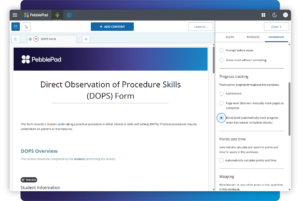
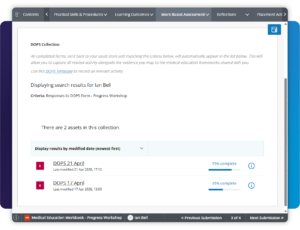
Define what “complete” really means with configurable progress tracking
Educators no longer need to manually verify whether required fields have been completed, reducing audit effort and improving trust in progress data.
Configurable progress tracking allows resource builders to define which fields and actions matter, ensuring progress reflects meaningful completion, not just activity. Completion is automatically triggered based on real criteria (e.g. inputs, evidence quality).
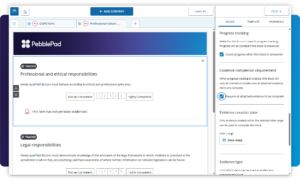
Ensure evidence is valid, not just present, with capability evidence criteria
Capability evidence criteria reduces the risk of invalid or incomplete submissions and makes readiness defensible and explainable, particularly in high-stakes or regulated contexts. It allows programmes to define what counts as valid evidence, such as:
- correct templates
- required tags
- completion status
- date constraints
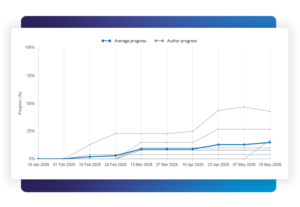
Identify risk and prioritise where to act with the Progress Insights dashboard
Progress Insights provides a cohort-level view of progress and trajectory, helping educators quickly identify:
- who is on track
- who is falling behind
- where attention is needed
Educators can triage at scale, reducing reliance on individual spot checks and enabling earlier intervention.
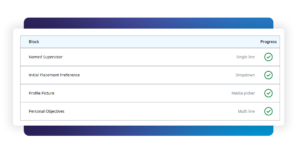
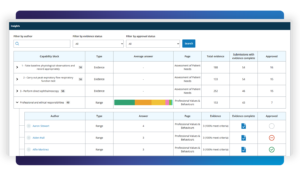
See readiness for assessment at a glance with the Capability Insights dashboard
Assessors can identify which work is ready (and what’s missing) without opening every submission, reducing time spent reviewing incomplete work.
Capability Insights brings together:
- evidence completeness
- approval status
- readiness signals
…into a single, scannable view.
Before
Now
It directly addresses the core issues highlighted in our baseline research:
- high manual workload
- fragmented workflows
- low trust in progress signals
Built and refined with customers
We worked closely with educators, particularly in high-volume, compliance-driven environments, to design and refine these capabilities.
In beta feedback, educators consistently highlighted:
- the ability to identify at-risk learners quickly
- the reduction in manual checking
- increased confidence in understanding what’s complete and what isn’t
Who this is for
These updates are especially valuable if you:
- Manage large cohorts and need to prioritise efficiently
- Work in programmes where incomplete or invalid evidence creates risk
- Design workbooks and want consistency in completion and quality
- Support learners to manage their own progress more effectively
Getting started
From our 2026.6 release (scheduled 30 June 2026) these features will be available to all PebblePad users.
For educators:
- Explore Progress Insights to identify risk and readiness across your cohort
- Use Capability Insights to understand what’s ready for assessment
For resource builders:
- Define tracked fields to ensure progress reflects meaningful completion
- Configure criteria to ensure evidence meets programme requirements
For learners:
- Check your progress as you complete submissions
Looking Ahead
This launch is a foundation for the next phase of programmatic assessment and actionable insights.
By establishing trusted, explainable completion signals now, we enable:
- stronger verification and auditability
- future competency and outcome insights
- more advanced, data-driven assessment workflows
Ready to explore?
Contact us today to start using Configurable Progress Tracking and Insight Dashboards today in PebblePad.