



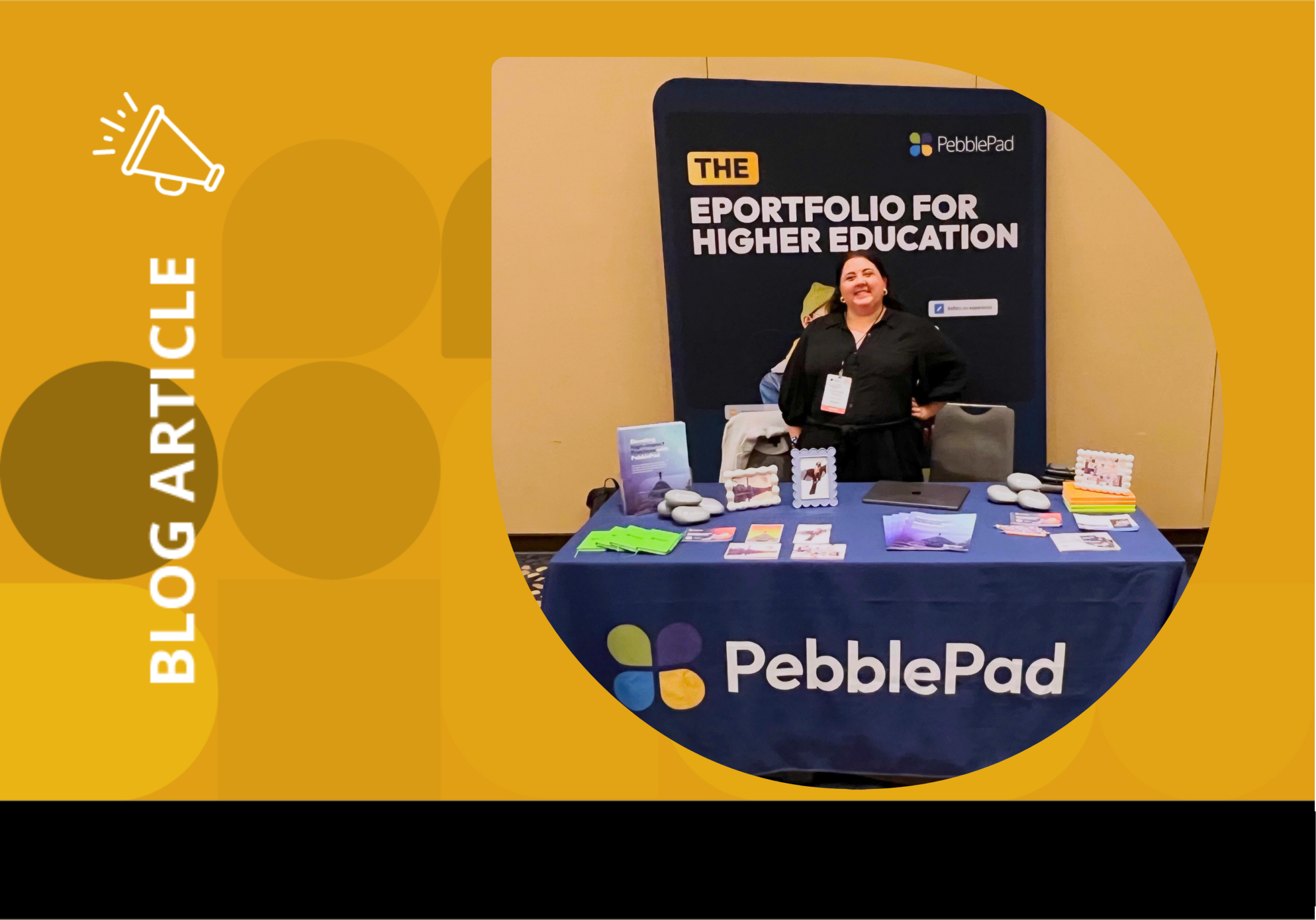
PebblePad’s partnership with the Association for Undergraduate Education at Research Universities (UERU) continues to be a powerful catalyst for engaging with higher education leaders across North America.
Since forming the partnership in Summer 2025, we’ve joined UERU at pivotal events across the academic calendar—from the intensive Lamborn Hughes Institute in August to the Undergraduate Vice Provost/President Meeting in October. Each has deepened our understanding of the sector’s priorities and sharpened our commitment to supporting institutions undertaking major transformation efforts.
In January, that journey continued at the UERU Annual National Conference in Washington, D.C., where PebblePad proudly served as a UERU Equity and Excellence Champion Partner. Co‑located with the American Association of Colleges and Universities (AAC&U) Annual Meeting, the conference drew more attendees than ever before and—according to UERU—sold out for the first time in its history.
The 2026 theme, Transforming Undergraduate Education at Research Universities, framed two days of energizing conversations about the realities, pressures, and future of higher education.
Re‑centering the student experience
The theme of transformation is broad by design, but this year’s programming distilled it into seven interconnected focal areas that continue to shape the national conversation: academic advising, high impact practices, teaching and learning, curricular analytics, world readiness, student success ecosystems, and undergraduate STEM education.
Across roundtables, posters, and concurrent sessions, a clear narrative emerged: universities are actively reconsidering the structures, systems, and pedagogies required to support student success at scale. At PebblePad’s exhibit space and through our own session participation, we heard repeatedly how institutions are tackling complexity—redesigning curricula, expanding equitable learning opportunities, and strengthening support frameworks that guide students from their first-year through to graduation.
This shared focus aligns closely with PebblePad’s mission. Across many sessions, presenters emphasized the need for platforms and practices that help students articulate their learning, reflect on their experiences, and demonstrate competencies in an increasingly dynamic world—priorities that resonate deeply with us.
Acknowledging the pressures on higher education
The conference opened with a tone of both realism and resolve. Speakers acknowledged ongoing public and political pressures facing higher education—from departmental closures to debates about degree value to the fast evolving impact of AI on workforce readiness.
AAC&U President Lynn Pasquerella, speaking in her dual role as a Boyer 2030 Commissioner, grounded these macrolevel challenges in her own story as a first generation college student. Her remarks underscored a shared conviction: that research universities must continue championing access, equity, and opportunity, especially for those most vulnerable to systemic and societal shifts.
Her message—uplifting in both tone and substance—set the stage for two days of solution-driven dialogue.
Our contribution: Meaningful learning through noticing
PebblePad had the opportunity to contribute directly to the program through the roundtable ‘Preparing to Notice / Noticing for Learning,’ co-led by Melissa (Missy) Beers, Senior Director for Ohio State University’s General Education Bookends program, and Shane Sutherland, PebblePad’s Founder and Chief Academic Officer.
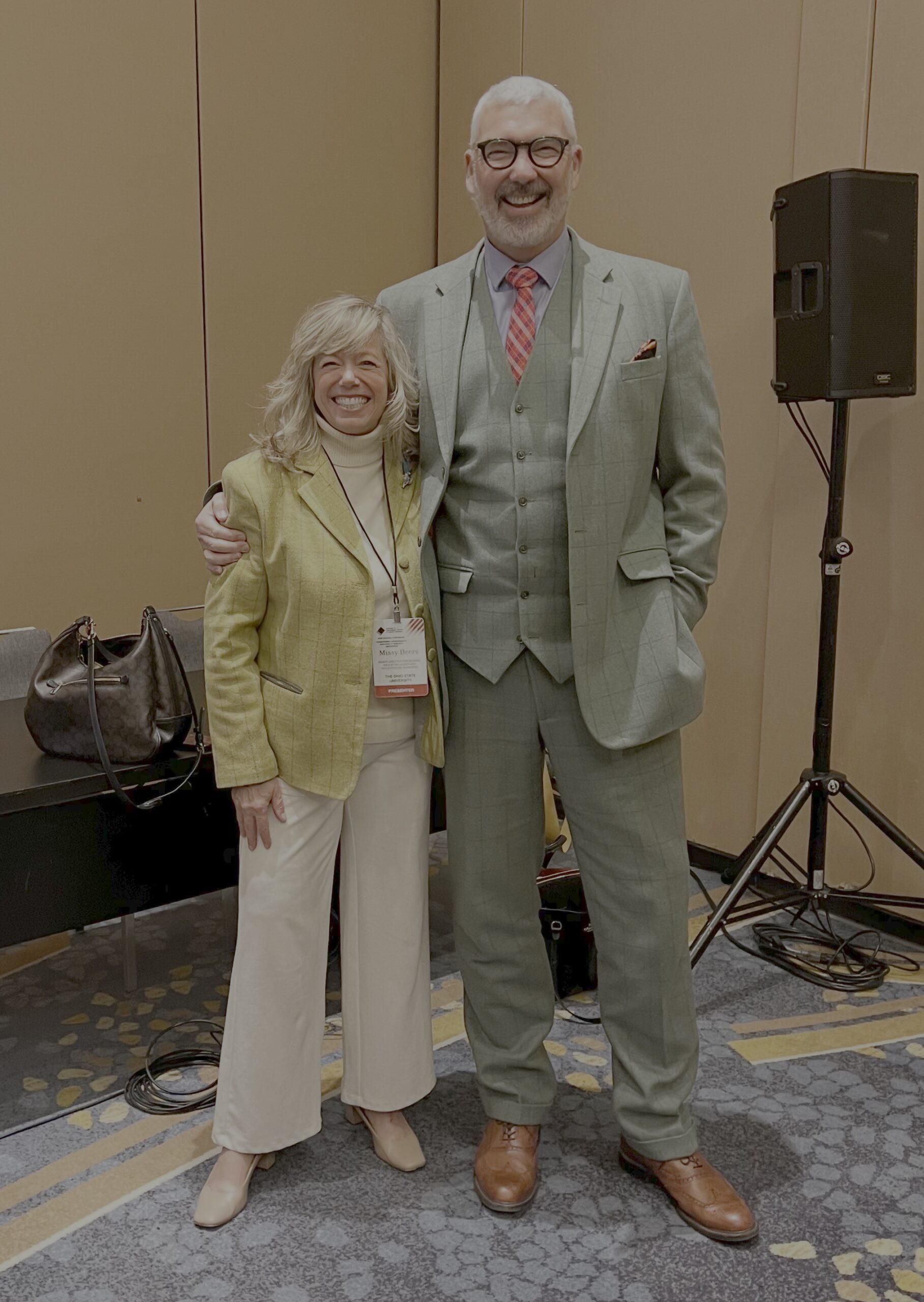
The session explored an essential truth at the heart of reflective education: students can only make meaning from their experiences if they are taught how to pay attention to them. Missy and Shane examined how intentional scaffolding and ePortfolio-supported reflection cultivate what OSU terms “the habit of noticing.” This pedagogical approach emphasizes:
- Reflection-in-action (noticing during the experience)
- Reflection-on-action (making sense of it afterwards)
Together, these practices help students connect individual learning moments to personal, academic, and professional growth. This philosophy is woven throughout Ohio State’s Bookends program, where all students engage in Launch and Reflection seminars that “bookend” their undergraduate journey. Students use PebblePad throughout this process to build a developmental narrative of their evolving capabilities, goals, and achievements.
As Missy articulated during the session, the program’s strength lies in its emphasis on “building a scaffolding that helps students think about and synthesize their story. It prioritizes process over product.” This approach is becoming especially significant in the AI era, where human skills such as reflection, critical noticing, and narrative building are increasingly valued.
!["[The program] helps students think about and synthesize their story. It prioritizes process over product." Melissa Beers, Senior Director, Ohio State University](https://pebblepad.com/wp-content/uploads/2026/02/Melissa_Quote-2500x1083.png)
Themes emerging across higher ed in the US
Beyond our own session, several broader themes echoed across the conference’s 50+ sessions and dozens of roundtables with a particular focus on:
- Scaling high impact practices through better advising, peer tutoring models, and curricular design innovations.
- Implementing curricular analytics to address complexity and ensure students can navigate degree pathways more effectively.
- Strengthening experiential learning as a core driver of world readiness and student success.
- Partnering across academic ecosystems, including libraries, learning centers, and external organizations, to extend support beyond the classroom.
These themes reinforce the essential role that technology-enhanced learning systems—and intentional reflection practices—play in building equitable, future-ready educational environments.
Looking ahead
As a year-round Equity Excellence Champion Partner, PebblePad is honored to stand alongside institutions actively shaping the future of undergraduate education. UERU’s commitment to driving innovation across research universities mirrors our own focus on equipping students with the tools, structures, and reflective habits they need to thrive—academically, personally, and professionally.
The 2026 conference was a powerful reminder of what this community can achieve when it collaborates with purpose. We’re grateful to the institutions, leaders, and educators who shared their insights with us, and we look forward to continuing this work throughout the year. If you’d like support exploring how reflective practice or experiential learning could enhance your programs, PebblePad would be delighted to continue the conversation.